How to Sell in Ireland: VAT, EPR and Market Entry
Ireland is a high-income English-speaking EU market with 5+ million consumers and strong cross-border purchasing behavior. It is the one of the largest e-commerce market in the European Union by revenue.
Ireland is often strategically important for non-EU brands due to its English language environment and strong logistics links to both the United Kingdom and continental Europe. The Irish Revenue Commissioners strictly enforce VAT compliance. Marketplace onboarding requires validated VAT and EPR registration before listings go live.
Brands expanding into Ireland must carefully structure VAT registration, particularly when holding local stock or importing directly. This guide outlines what you need to execute correctly.
Ireland Operational Snapshot
Ireland quickstart guide
Operational playbook covering VAT, EPR, customs, fulfilment, and go-live sequencing for non-EU brands entering the Ireland.
Ireland applies a standard VAT rate of 23% on most goods and services. Reduced rates of 13.5%, 9%, and 4.8% apply to specific goods and services depending on category. Non-EU sellers must determine whether OSS registration is sufficient or whether a local Irish VAT registration is required before placing goods on the Irish market.
When OSS is sufficient
OSS covers cross-border B2C sales shipped from another EU member state into Ireland.
If goods are dispatched from Germany, the Netherlands, or another EU warehouse and no Irish inventory is held, VAT may be reported via OSS.
OSS does not apply where stock is positioned inside Ireland or where the seller acts as importer into Ireland.
When Irish VAT registration is mandatory
- You hold inventory in Ireland
- You import goods directly into Ireland as importer of record
- You create a fixed establishment in Ireland
- You conduct B2B sales locally
Once registered, periodic VAT returns and compliant bookkeeping obligations apply under Irish Revenue rules.
VAT implications of holding stock in Ireland
Using Irish warehousing creates a local VAT reporting obligation.
Intra-EU stock transfers into Ireland are treated as taxable acquisitions.
Redistributing goods from Ireland to other EU countries may trigger additional VAT registration requirements.
Invoicing basics: B2C vs B2B
- B2C: Marketplaces may issue invoices under simplified invoicing rules.
- B2B: Full VAT invoice required including Irish VAT number, sequential invoice number, VAT rate, taxable base, and VAT amount.
Credit notes must reference the original invoice and adjust VAT in the relevant reporting period.
Returns and credit note handling
A 14-day statutory withdrawal period applies under Irish consumer protection law.
Returned goods require VAT correction through properly issued credit notes.
Automated reconciliation reduces discrepancies during Irish Revenue audits.
VAT filing cadence
Irish VAT returns are typically filed bi-monthly.
Monthly filing may apply in certain circumstances depending on turnover or risk profile.
Annual VAT reporting and reconciliation obligations may also apply.
Ireland enforces Extended Producer Responsibility (EPR) obligations across packaging, electrical and electronic equipment (WEEE), and batteries. Registration must be completed before goods are placed on the Irish market. Marketplace onboarding may require documented confirmation of compliance.
Packaging registration (Irish compliance scheme)
Producers placing packaged goods on the Irish market must register with an approved packaging compliance scheme.
This includes product packaging, transport packaging, and e-commerce fulfilment materials.
Annual reporting of packaging volumes and contribution payments are mandatory.
Who qualifies as “producer” in Ireland
The producer is generally the entity placing goods on the Irish market for the first time.
For non-EU brands, responsibility may depend on importer structure or Seller of Record arrangements.
Incorrect allocation of responsibility may create enforcement exposure.
WEEE registration
Electrical and electronic equipment must be registered before being placed on the Irish market.
Reporting of placed-on-market volumes and financing of collection systems is mandatory.
Marketplace activation may be contingent on completed WEEE registration.
Battery registration
Standalone and embedded batteries require compliance registration under Irish battery regulations.
Battery reporting obligations apply even when WEEE registration is completed.
Separate reporting categories may apply depending on battery chemistry.
Ireland is part of the EU customs union. Goods imported from outside the EU must clear customs at the first EU entry point. Import structure directly affects VAT recovery, duty exposure, and reporting obligations. Many non-EU brands import via Ireland to serve both domestic and broader EU demand.
Importer of Record (IOR) options
Non-EU brands must appoint an Importer of Record before goods arrive in Ireland.
The IOR assumes responsibility for customs declarations, duty payment, and import VAT.
The IOR may be an Irish entity, fiscal representative, or structured Seller of Record solution.
Mandatory commercial invoice fields
- Exporter and importer legal names and addresses
- Importer EORI number
- HS code per product line
- Country of origin
- Item description, quantity, and total value
- Currency and Incoterms
Incomplete documentation is a common cause of shipment delays.
HS code and origin accuracy
Incorrect classification may trigger retroactive duty assessments and penalties.
Origin misdeclaration may invalidate preferential trade treatment under EU agreements.
Irish customs operate within EU-wide digital risk systems.
Import VAT handling
Import VAT at 23% applies if Ireland is the entry country.
Recovery of import VAT requires Irish VAT registration.
If goods enter another EU country first, intra-EU acquisition reporting may apply.
Irish consumers expect fast delivery, reliable tracking, transparent pricing, and efficient refund handling. Cross-border fulfilment from the UK or Germany is common, but local warehousing improves delivery predictability and customer satisfaction.
Delivery speed expectations
1–3 business day delivery is increasingly standard for competitive offers.
Cross-border shipping may extend delivery windows and affect conversion.
Late deliveries impact seller ratings and repeat purchase behaviour.
Marketplace fulfilment structure
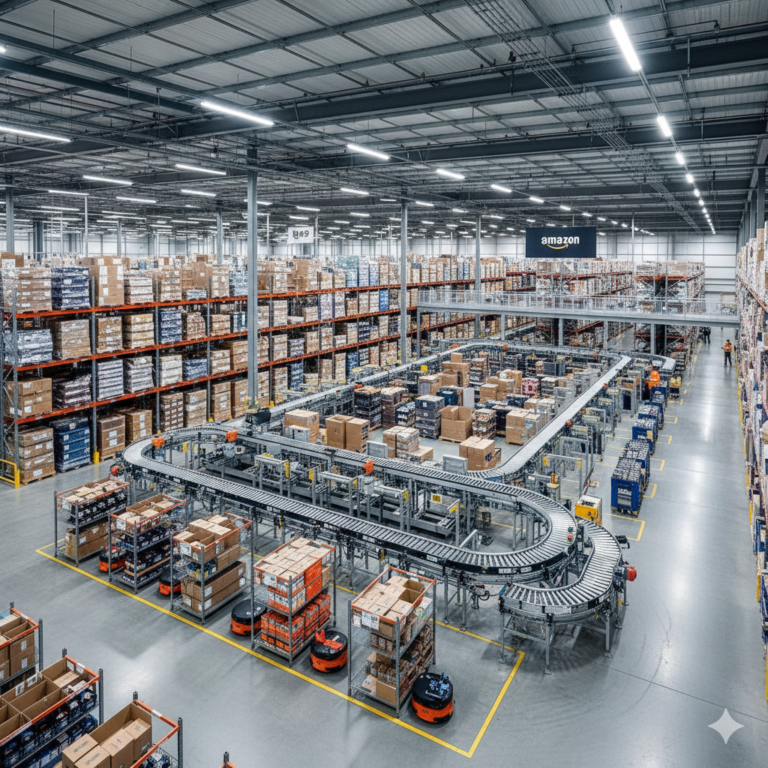
- Amazon UK cross-border heavily influences Irish purchases
- Local Irish 3PL improves service reliability
- Hybrid fulfilment models are common during scale
Warehouse decisions directly impact VAT exposure.
Returns framework
A 14-day statutory withdrawal period applies.
Consumers expect simple digital return labels and fast refunds.
Return friction directly impacts marketplace visibility and reviews.
Carrier landscape
An Post and DPD are commonly used carriers.
Reliable tracking and delivery notifications are expected.
Carrier SLA performance affects seller reputation.
Sequencing matters. The checklist below groups tasks by execution phase. Bold items are critical blockers that will prevent marketplace activation or legal placement of goods on the Irish market.
Before shipping inventory
Before marketplace listing
Before D2C launch
First 30 days post-launch
Do I need packaging registration in Ireland?
Yes. Any entity placing packaged goods on the Irish market must register with an approved packaging compliance scheme and fulfil annual reporting and contribution obligations. This includes product packaging and e-commerce fulfilment materials introduced into Ireland.
Can I rely on OSS for Ireland?
Yes, if shipping cross-border from another EU member state and not holding Irish inventory. Once stock is positioned in Ireland or you act as importer of record, Irish VAT registration becomes mandatory.
Warehouse positioning directly determines whether OSS remains valid.
When is Irish VAT registration required?
Irish VAT registration is required when holding stock locally, importing goods directly into Ireland, creating a fixed establishment, or conducting domestic B2B sales.
Import VAT recovery is not possible without Irish VAT registration.
Do I need WEEE and battery registration?
Yes. Electrical and electronic equipment must be registered before being placed on the Irish market. Embedded or standalone batteries require separate compliance registration and reporting.
Marketplace activation may be blocked without valid compliance numbers.
Is Ireland a strategic English-speaking EU entry market?
Yes. Ireland provides access to an English-speaking consumer base within the EU regulatory framework. It is frequently used as a strategic gateway market for brands targeting EU expansion without language localisation complexity.
However, VAT and compliance obligations remain fully EU-standard.
Selling Channels In Ireland
Ireland has a diverse and locally competitive marketplace ecosystem.
Amazon UK

Amazon Germany

D2C via Shopify Ireland
How EuroSOR supports Ireland expansion
Seller of Record (SoR)
EuroSOR acts as your legal Seller of Record in Ireland, taking on VAT, invoicing, and producer obligations so you can sell without establishing a local entity.
VAT Workflows
End-to-end Irish VAT registration, periodic filings, intra-EU reporting, OSS coordination, and credit note processing managed by our tax operations team.
EPR Coordination
Packaging registration (Repak), WEEE registration, battery compliance, and producer responsibility reporting handled as part of onboarding to ensure marketplace compliance.
Customs Execution
Importer of Record coverage, commercial invoice preparation, HS classification support, and duty optimization for compliant import into Ireland or routing via EU hubs.
Fulfilment Orchestration and Reporting
3PL partner network across Ireland, carrier integrations, reverse logistics management, and unified reporting across VAT and EPR compliance obligations.
Frequently asked questions
For detailed answers, see the FAQs tab in the quickstart guide above. Below is a quick reference.
Do I need packaging registration in Ireland?
Can I use OSS for Ireland?
When do I need Irish VAT?
Do I need WEEE registration?
Is Ireland a good English-speaking EU market?
Disclaimer: This guide is provided for informational purposes only and does not constitute legal, tax, or regulatory advice. Regulatory requirements in Ireland are subject to change. EuroSOR recommends consulting qualified legal and tax advisors for your specific situation. EuroSOR assumes no liability for actions taken based on this guide.
Ready to launch in Ireland?
We handle VAT registration, EPR compliance, customs clearance, and marketplace onboarding so your brand can launch in Ireland without operational friction.
Book intro meeting