How to Sell in the Netherlands: VAT, EPR and Market Entry
The Netherlands is one of the most strategic entry markets in the EU. With 18+ million consumers and the highest e-commerce penetration rate in Europe, it serves both as a consumer market and a logistics gateway to the EU.
Rotterdam is the largest port in Europe, and many non-EU brands use the Netherlands as their first EU import hub. While operationally efficient, the Dutch tax authority, Belastingdienst, enforces strict VAT compliance, and marketplaces like Bol.com require verified VAT and EPR credentials before onboarding.
Brands that use the Netherlands purely as a logistics entry point without structuring VAT correctly often trigger retroactive tax exposure. This guide covers what you actually need to execute.
Sell in Netherlands: Operational Snapshot
Sell in Netherlands : Quickstart guide
Operational playbook covering VAT, EPR, customs, fulfilment, and go-live sequencing for non-EU brands entering the Netherlands.
The Netherlands applies a standard VAT rate of 21% (reduced 9% for food, medicines, books, and selected goods). From 1 January 2026, accommodation services will shift from 9% to 21%. Non-EU sellers must determine whether OSS is sufficient or whether local Dutch VAT registration is required.
When OSS is sufficient
OSS covers cross-border B2C sales shipped from another EU member state into the Netherlands. If you dispatch goods from outside the Netherlands and do not hold Dutch inventory, VAT can be reported through your existing EU registration.
Takeaway: OSS works only when goods are shipped cross-border and no Dutch stock or fixed establishment exists.
When Dutch VAT registration is mandatory
- You hold inventory in a Dutch warehouse (including Amazon FBA NL or Bol fulfilment)
- You import goods directly into the Netherlands as importer of record
- You operate a fixed establishment in the Netherlands
- You redistribute stock to other EU countries from Dutch inventory
Takeaway: If stock touches Dutch soil under your ownership, register before goods arrive.
VAT implications of holding stock in the Netherlands
Using a Dutch 3PL, FBA NL, or Bol fulfilment creates a domestic VAT reporting obligation. Intra-EU stock transfers into the Netherlands are treated as taxable movements.
If goods are redistributed from the Netherlands to another EU country, additional VAT registrations may be triggered in destination states.
Takeaway: Netherlands warehousing often increases multi-country VAT exposure.
Invoicing basics: B2C vs B2B
- B2C: Simplified invoices permitted. Marketplace transactions may fall under deemed supplier rules.
- B2B: Full VAT invoice required including Dutch VAT number, sequential invoice number, VAT rate, net amount, and VAT amount.
Takeaway: Ensure invoicing software complies with Dutch VAT formatting and audit standards.
Returns and credit note handling
Dutch law provides a 14-day withdrawal period for consumers. Credit notes must reference the original invoice and VAT adjustments must be reported in the correct filing period.
Takeaway: Automate VAT adjustments linked to returns to avoid reporting discrepancies.
Marketplace VAT onboarding blockers
Bol.com and Amazon.nl require verified VAT credentials before activation. If using FBA NL or Dutch warehousing, VAT registration proof is mandatory.
Missing or unverified VAT documentation is a primary cause of onboarding delays.
Takeaway: Complete VAT registration before initiating marketplace applications.
VAT filing cadence
VAT returns are generally filed quarterly. Monthly filing may apply for higher turnover businesses. Filing deadline is the last working day of the second month following the reporting period.
Belastingdienst cross-checks VAT returns with customs and marketplace data.
Takeaway: Reporting inconsistencies are increasingly detected through automated data matching.
The Netherlands enforces structured Extended Producer Responsibility (EPR) obligations for packaging, electronics, and batteries. Marketplace onboarding requires verified registration before activation. Non-compliance can result in listing suspension and regulatory penalties.
Packaging registration (Stichting Afvalfonds Verpakkingen)
Any entity placing packaged goods on the Dutch market must register with Stichting Afvalfonds Verpakkingen before sales begin. Registration covers consumer packaging, transport packaging, and in some cases secondary packaging.
Annual reporting of packaging volumes is mandatory and subject to audit.
Takeaway: Packaging registration must be completed before marketplace onboarding.
Who qualifies as “producer” under Dutch EPR?
The producer is typically the entity placing goods on the Dutch market for the first time. For non-EU brands selling via marketplaces, the responsible party depends on contractual structure (local importer, fiscal representative, or Seller of Record).
Incorrect allocation of producer responsibility can create enforcement exposure.
Takeaway: Clearly define producer responsibility in contracts before first shipment.
WEEE registration (Stichting OPEN)
Electrical and electronic equipment must be registered with Stichting OPEN before being placed on the Dutch market. A valid WEEE registration number is required for marketplace activation.
Registration includes financial guarantees for future collection and recycling obligations.
Takeaway: Electronics cannot be listed without completed WEEE registration.
Battery registration
Products containing embedded or replaceable batteries require additional battery compliance registration. This applies even if batteries are not sold separately.
Battery reporting obligations are separate from WEEE obligations.
Takeaway: Embedded batteries trigger dual compliance requirements.
Marketplace EPR enforcement
- Bol.com requires packaging registration confirmation before activation.
- Amazon.nl requires valid WEEE numbers for electronics categories.
- Battery compliance documentation may be requested for relevant SKUs.
Takeaway: EPR registration is a prerequisite for marketplace access.
Enforcement outcomes for non-compliance
- Marketplace listing suspension
- Administrative penalties
- Retroactive reporting obligations
- Potential product withdrawal
Takeaway: EPR non-compliance blocks activation before it triggers fines.
EPR registration sequence
- Register packaging compliance
- Complete WEEE registration (if electronics)
- Register battery compliance (if applicable)
- Submit registration confirmations to marketplace
Takeaway: Complete EPR setup 2–4 weeks before onboarding to avoid listing delays.
The Netherlands is a primary EU entry gateway via Rotterdam port and Schiphol airport. Customs structuring directly impacts VAT exposure, cash flow, and multi-country reporting obligations.
Importer of Record (IOR) options
Non-EU brands must appoint an Importer of Record before goods arrive. The IOR assumes responsibility for import VAT, customs duties, and regulatory compliance.
IOR can be your Dutch VAT entity, a fiscal representative, or a Seller of Record (SoR) structure.
Takeaway: Your IOR structure determines VAT recovery eligibility and redistribution flexibility.
Mandatory commercial invoice fields
- Exporter & importer legal names and addresses
- HS code per item
- Country of origin
- Item description, quantity, unit and total value
- Currency and Incoterms
Takeaway: Incomplete invoices are the most common cause of customs holds.
HS code and origin accuracy
Incorrect HS classification can result in retroactive duty assessments and penalties. Dutch customs actively reviews high-volume SKUs.
Takeaway: Invest in correct HS classification upfront to avoid post-clearance audits.
Import VAT handling
Import VAT is charged at 21% at the Dutch border. VAT-registered entities may use Article 23 deferment to avoid upfront cash payment.
Takeaway: Article 23 deferment improves cash flow but requires proper structuring.
EU gateway routing via Netherlands
Many brands import into Rotterdam and redistribute across the EU. This creates intra-EU supply obligations in destination countries.
Takeaway: Using NL as a hub increases multi-country VAT complexity.
EORI number requirements
An EU EORI number is mandatory for importing goods into the EU. Dutch VAT registration alone is insufficient without EORI clearance capability.
Takeaway: EORI approval must be completed before first shipment.
Restricted and regulated goods
Certain goods (electronics, cosmetics, food, medical devices) require additional compliance documentation such as CE marking, safety certification, or local labeling rules.
Takeaway: Regulatory documentation must align with customs declarations.
Dutch consumers expect fast delivery, easy returns, and transparent pricing. Fulfilment structure directly impacts marketplace ranking and D2C conversion.
Delivery speed expectations
Next-day delivery is standard domestically. Cross-border fulfilment may reduce competitiveness on Bol.com.
Takeaway: Local Dutch stock improves Buy Box eligibility and D2C conversion.
Amazon FBA vs external 3PL
- FBA: Prime badge, faster dispatch, VAT registration required.
- 3PL: Multi-channel fulfilment, greater flexibility for Bol & D2C.
Takeaway: Hybrid models (FBA + 3PL) are common for scale.
Returns volume and consumer protection
A 14-day statutory withdrawal period applies. Dutch consumers expect rapid refunds.
Takeaway: Build refund processing into unit economics.
Packaging & labelling implications
Fulfilment packaging impacts your EPR reporting obligations. Outer packaging volumes must align with declared reporting.
Takeaway: Coordinate fulfilment packaging reporting with Afvalfonds filings.
Carrier selection
PostNL is dominant domestically. DHL and DPD are also widely used.
Takeaway: Carrier SLA performance directly affects marketplace metrics.
Returns processing & refurbishment
Returned inventory must be inspected and graded before resale. Electronics require careful compliance handling.
Takeaway: Reverse logistics efficiency impacts profitability in the Dutch market.
Sequencing matters. The checklist below groups tasks by phase. Bold items are critical blockers that will prevent you from proceeding to the next phase.
Before shipping inventory
Before marketplace listing
Before D2C launch
Answers to the most common operational questions from non-EU brands entering the Netherlands.
Do I need packaging registration in the Netherlands?
Yes. Any seller placing packaged goods on the Dutch market must register with Stichting Afvalfonds Verpakkingen before selling. Reporting obligations apply even if the Netherlands is used only as an import or redistribution base.
Can I use OSS for the Netherlands?
Yes, if you ship cross-border from another EU country without holding Dutch stock. If you store inventory locally or import directly into the Netherlands, Dutch VAT registration is required instead of OSS.
When do I need Dutch VAT?
When holding stock in the Netherlands, importing goods directly as importer of record, operating a fixed establishment, or making local taxable supplies.
Is iDEAL mandatory for D2C conversion?
While not legally mandatory, iDEAL is functionally essential. It accounts for approximately 70–73% of Dutch online transactions and significantly impacts checkout conversion rates.
Is the Netherlands a good EU entry hub?
Yes. Rotterdam port and Schiphol airport, combined with advanced logistics infrastructure, make the Netherlands one of the most efficient EU entry points for non-EU brands.
If I import into the Netherlands and ship to other EU countries, do I need additional VAT registrations?
Possibly. Intra-EU stock transfers from a Dutch warehouse to another EU country may trigger VAT registration and reporting obligations in the destination country. Proper structuring is required before redistribution.
Why is the Netherlands commonly used as an EU entry hub?
Due to Rotterdam port, Schiphol airport, efficient customs clearance, and advanced logistics infrastructure. However, VAT structuring must be planned before using the Netherlands as a redistribution base.
Where to sell in Netherlands: Selling Channels
The Netherlands has one of the most digitally mature e-commerce landscapes in Europe.
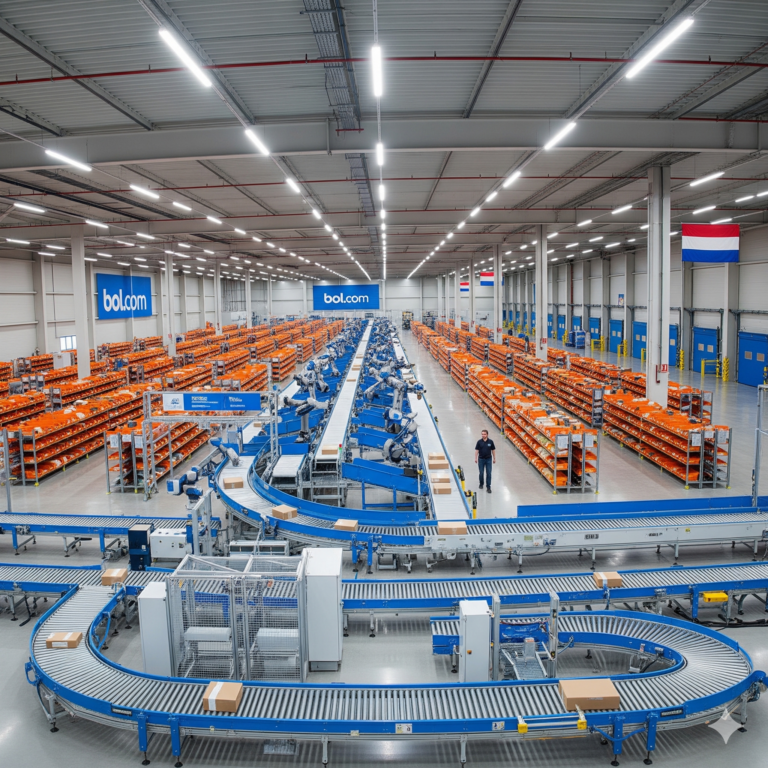
Bol.com

Amazon.nl
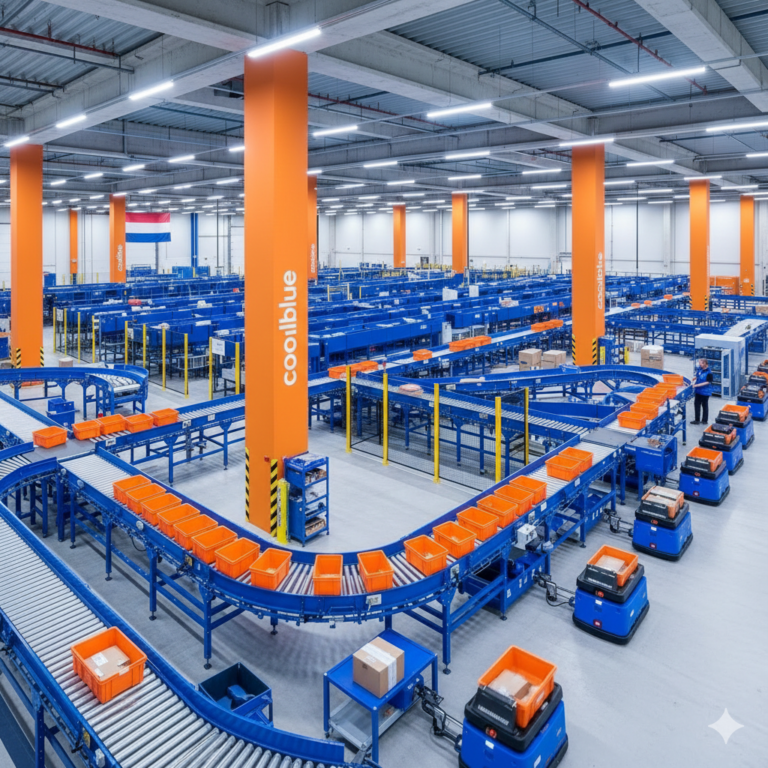
Coolblue
D2C Shopify Netherlands
Cross-border Amazon.de sellers often fulfil Dutch demand without local stock, but a long-term strategy typically requires Dutch warehousing.
How EuroSOR Helps Brands Sell in Netherlands
Seller of Record (SoR)
EuroSOR acts as your legal Seller of Record in the Netherlands, taking on VAT, invoicing, and producer obligations so you can sell without establishing a local entity.
VAT Workflows
End-to-end Dutch VAT registration, periodic filings, intra-EU reporting, OSS coordination, and credit note processing managed by our tax operations team.
EPR Coordination
Packaging registration, WEEE registration, battery compliance, and Unique ID management handled as part of onboarding, not as an afterthought.
Customs Execution
Importer of Record coverage, commercial invoice preparation, HS classification support, and EU gateway routing via the Netherlands or direct import execution.
Fulfilment Orchestration and Reporting
3PL partner network across the Netherlands, carrier management, returns processing, and unified reporting across all VAT and EPR compliance obligations.
Frequently asked questions
For detailed answers, see the FAQs tab in the quickstart guide above. Below is a quick reference.
Do I need packaging registration in the Netherlands?
Can I use OSS for the Netherlands?
When do I need Dutch VAT?
Is iDEAL mandatory for D2C conversion?
If I import into the Netherlands and ship to other EU countries, do I need additional VAT registrations?
Why is the Netherlands commonly used as an EU entry hub?
Ready to launch in the Netherlands?
We handle VAT registration, EPR compliance, customs clearance, and marketplace onboarding so your brand can launch in the Netherlands without operational friction.
Book intro meeting